Reliable Lawn Maintenance for Outdoor Beauty
Design Through Care: Learn About the Multiple Varieties of Grounds Services We Offer
Landscaping services involve a extensive array of services, from initial design concepts to continuous upkeep. Each stage is vital in creating and preserving an outdoor environment that corresponds with individual tastes and ecological factors. By understanding the process and options available, property owners can make informed decisions that improve both aesthetics and functionality. What particular features should one take into account to guarantee a successful landscape transformation?
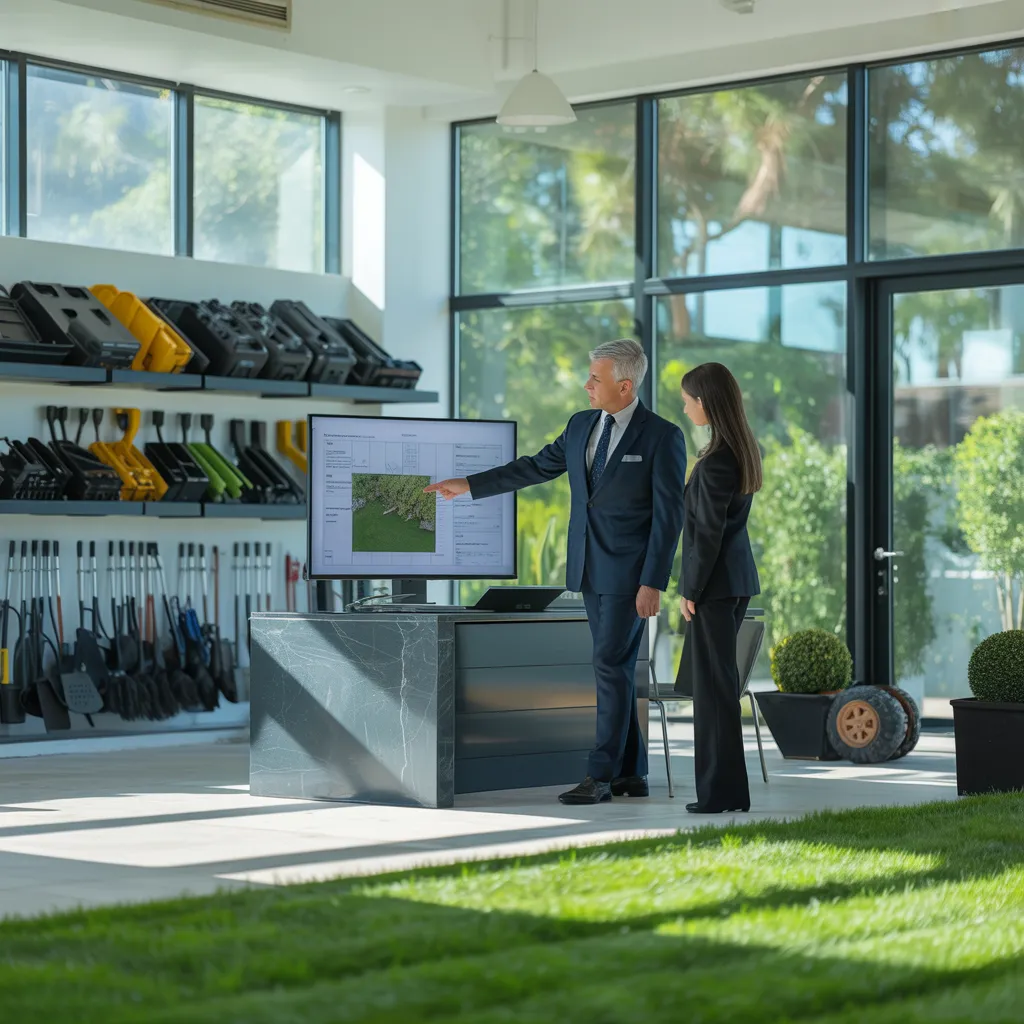
How to Define Your Landscape Design Vision
Formulating a outdoor design vision is crucial for developing an outdoor space that represents personal style and addresses everyday requirements. This effort begins by examining the present conditions, including terrain composition, sunlight exposure, and seasonal factors. Comprehending these factors enables picking fitting vegetation and supplies.
Next, people should consider their lifestyle and how they plan to use the space. Whether for entertaining, gardening, or unwinding, these activities will dictate design choices.
Visual inspiration can be derived from various fountains, such as magazines, online platforms, or nature itself. Building a mood board can be helpful in clarifying your preferences.
To finish, setting a budget is important, as it shapes plant choices, hardscaping alternatives, and design sophistication. By integrating these factors, individuals can formulate a well-defined outdoor vision that unites visual appeal with usefulness, creating opportunities for a successful landscape makeover.
Developing an Outstanding Landscape Plan
Having a explicit landscape plan confirmed, the subsequent step involves crafting the perfect landscape design. This undertaking requires a blend of creativity and applicable considerations. Effective landscape design commences by assessing the site's distinct characteristics, such as topography, soil type, and sunlight exposure. These factors guide the layout, ensuring the design improves the natural beauty of the environment.
A effective design brings together varied elements, including hardscaping features like patios and pathways, alongside softscaping components such as lawns and gardens. Deliberate placement of these components creates a cohesive flow, leading visitors through the space. Additionally, attention to scale and proportion ensures that each element supports the others, avoiding excess or disharmony.
Ultimately, the composition should reflect the client's preferences while upholding functionality. By strategically organizing every feature, a outdoor arrangement can convert the external area into a breathtaking and inviting environment, ready to be enjoyed year-round.
Selecting Vegetation That Flourish in Your Weather Conditions
Determining botanical options that excel in a specific climate requires a thorough understanding of hardiness zones, which reveal which plant varieties can endure local temperature ranges. Additionally, prioritizing local flora can enhance ecological balance and adaptability in the landscape. Seasonal planting considerations also play an essential position in facilitating long-term prosperity and robustness of the garden.
Grasping the Concept of Temperature Hardiness Classifications
Grasping the concept of hardiness zones is important for those who garden and landscapers attempting to nurture plants that will thrive in their specific climate zones. These zones, set by the USDA, divide regions according to the low winter temperature averages. By identifying the hardiness zone of a given location, gardeners can opt for plants that are most likely to withstand local weather conditions. Each zone is marked with a number, with subcategories indicating small temperature differences. For example, a plant meant for Zone 5 may not perform well in Zone 4, where winters are colder. Grasping these zones supports making informed decisions about plant selection, resulting in healthier landscapes and decreasing the chance of plant failure. This understanding finally helps build a more long-lasting and vibrant garden or landscape.
Native Species Choice
While many gardeners may be tempted to choose exotic plants for their landscapes, deciding on native species often yields better results. Native plants are adapted to native weather and ground composition, requiring decreased watering and attention compared to non-native varieties. They furnish vital spaces for local wildlife, supporting biodiversity and ecological balance. Selecting native species can also minimize infestation troubles, as these plants are inherently tough to area-specific illnesses. Additionally, incorporating native plants elevates the decorative value of a landscape by capturing the area's scenic qualities. Gardeners are prompted to research the particular regional species suitable for their zone, providing a vibrant landscape that reflects ecological responsibility. Ultimately, regional species preference creates a balanced and hardy landscape.
Important seasonal gardening points for your garden
When planning a garden, gardeners must consider the seasonal climate variations that affect plant growth and health. Selecting plants that thrive in specific climate zones ensures maximum health and lifespan. For instance, in warmer regions, drought-resistant plants may be preferred, while cooler climates are suited for hardy perennials that can withstand frost. Understanding local weather patterns, such as rainfall and temperature changes, helps in selecting the right species. Additionally, seasonal changes influence planting times; spring is ideal for many annuals, whereas fall can be perfect for certain perennials. By coordinating plant selection with local climate factors, gardeners can create vibrant, eco-friendly landscapes that flourish through all seasons, minimizing maintenance efforts and enhancing the overall appeal of the garden.
Create Your Ideal Backyard Space
Developing a aspirational outdoor living space involves careful consideration of custom design frameworks that reflect personal inclinations. Practical exterior installations, featuring seating areas and cooking spaces, strengthen usability while complementing the overall aesthetic. United, these aspects modify a yard into a bespoke escape.
Specialized Design Solutions
Tailored customized solutions offer homeowners the chance to transform their outdoor spaces into personalized sanctuaries. By considering individual preferences, lifestyles, and environmental factors, landscaping professionals create unique designs that reflect the homeowner's vision. These solutions encompass various elements, such as plant selection, hardscaping, and layout adjustments, ensuring that each outdoor space is both aesthetically pleasing and functional. Through collaboration with clients, designers can incorporate specific themes, colors, and materials, enhancing the overall appeal. The focus is on creating harmonious environments that seamlessly integrate with the home while addressing the homeowner's practical needs. Ultimately, tailored design solutions not only elevate the beauty of outdoor areas but also foster a sense of connection with nature, enriching everyday experiences.
Practical Exterior Elements
Practical outdoor amenities serve an vital role in boosting the practicality and enjoyment of outdoor living spaces. These elements, such as patios, decks, and outdoor kitchens, establish appealing areas for rest and socializing. Including features like fire pits and water elements can deliver both aesthetic charm and useful advantages, letting homeowners appreciate their yards year-round. Furthermore, thoughtfully positioned seating and dining areas foster social gatherings, while pathways and lighting enhance accessibility and protection. Green options, like rain gardens and permeable paving, support environmental wellbeing. In summary, practical outdoor amenities convert a yard into a versatile space that addresses diverse requirements, assisting homeowners to maximize their outdoor experience while establishing a peaceful balance between nature and design.
What Methods Can Help Your Landscaping Become More Green?
What methods can homeowners transform their outdoor spaces into eco-conscious landscapes? One practical approach is to add native plants, which require less water and maintenance while helping local wildlife. Using water-efficient species can greatly reduce water consumption, making landscapes more environmentally responsible.
Another approach involves implementing rain gardens to manage stormwater drainage efficiently, allowing rainwater to permeate into the ground rather than adding to contamination. Homeowners can also choose organic fertilizers and pest control methods to minimize chemical consumption, promoting a healthier ecosystem.
Incorporating porous surface options for walkways and parking areas can improve water infiltration, decreasing soil degradation and water discharge. Additionally, installing compost bins promotes waste recycling and strengthens earth vitality.
Important Regular Landscape Maintenance
What important jobs secure a landscape remains fresh and healthy throughout the year? Year-round landscape preservation encompasses a variety of crucial activities that boost peak growth and aesthetics. Regular grass maintenance makes certain that grass proves healthy and at an desirable height, while seasonal soil enrichment provides needed nutrients. Branch trimming shrubs and trees not only upholds their shape but also encourages healthy surge and reduces the risk of disease.
Weeding is another vital task, as it stops rivalry for resources among plants. Mulching helps keep soil moisture and suppresses weed growth, enhancing the overall aesthetic of garden beds. Also, seasonal inspections of irrigation systems assure efficient water use, preventing waste and promoting sustainability.
Transforming Your Space: Stunning Before and After
A properly groomed landscape creates the foundation for major changes that can uplift any outdoor area. Landscaping services are experts in revitalizing spaces, demonstrating astonishing before-and-after results that impress. These projects typically start with a in-depth assessment of the current landscape, spotting sections needing attention, such as excessive vegetation, worn pathways, or insufficient lighting.
After the design is approved, trained experts carry out enhancements that may include new plantings, decorative features, and working installations like patios or outdoor kitchens. The results can be striking: lifeless yards can turn into vibrant gardens, while lackluster pathways can be transformed into inviting walkways.
Photographs capturing these changes showcase the effectiveness of expert landscaping. The stark contrast between the starting condition and the completed work emphasizes not only visual beauty but also the enhanced worth of the property. Ultimately, a gorgeously renovated landscape can establish a inviting environment, enriching the complete enjoyment of outdoor living.

Frequently Posed Questions
What Represents the Average Expense of Landscaping Services?
regional labor rates and local labor conditions.
How Extended Time Should You Anticipate for a Landscaping Project?
A landscaping project typically takes between one to four weeks, depending on elements like project size, complexity, weather conditions, and the specific services required. Careful preparation can help optimize the timeline efficiently.
Can You Provide Seasonal Grounds Maintenance Services?
Yes, seasonal grounds maintenance offerings are offered, such as spring clean-ups, summer maintenance, autumn leaf removal, and winter preparations. These services guarantee landscapes remain vibrant and visually appealing throughout the changing seasons, addressing specific seasonal needs efficiently.
Will I Be Able to Upkeep My Landscape Myself Post-Installation?
Yes, keeping a landscape by yourself after installation is achievable. However, it requires familiarity with correct techniques, tools, and seasonal care to ensure the landscape remains robust and aesthetically pleasing over time.
What Equipment Do You Employing for Garden Projects?
Landscaping assignments typically necessitate equipment such as lawnmowers, trimmers, blowers, supplementary information shovels, rakes, and various power tools. Larger undertakings may also utilize excavators and trucks for hauling materials, increasing efficiency and precision in the work.